Periods of heavy rainfall caused by multiple atmospheric rivers in California between December 27, 2022, and January 31, 2023, resulted in floods that affected large swaths of Southern California, as well as the California Central Coast and Northern California. Ojai was hit hard, with massive rainfall over successive days, and with higher rainfall totals in the higher elevations. For the water year, measurable rain fell every month except for April and July, with the valley floor receiving 44.07 inches of precipitation and the ridge tops recording 76.14 inches.
During the January flood events, torrents of water crashed down Senior Canyon, carrying with it huge boulders and debris, and wiping out much of the Company’s surface water diversions, conveyance pipelines, and access roads. Only with the heroic efforts of Senior Canyon’s Rei Cartagena and Robert Cortes, was water production quickly restored. As the roads were wiped put, Rei and Robert hiked up into the Canyon each day carrying tools and supplies needed to clear debris and cobble back together a temporary water system.
Due to the storms, Governor Gavin Newsom declared a state of emergency on January 4, 2023. President Joe Biden then declared a state of emergency in 17 California counties on January 9, 2023. Later, Ventura County was declared a disaster area. This opened the door for federal disaster assistance from the Federal Emergency Management Agency (FEMA).
Senior Canyon promptly applied for FEMA disaster assistance to help fund repairs of the flood damage. FEMA organized Senior Canyon’s damage into 10 separate projects with an estimated cost of repairs totaling $2.9 million. For private water systems like Senior Canyon, FEMA generally provides 75 percent of the total estimated repair costs. All of the repair work is expected to be completed by the Summer of 2025. Senior Canyon retained the engineering firm Kennedy Jenks to provide design services for the repairs.
Roads
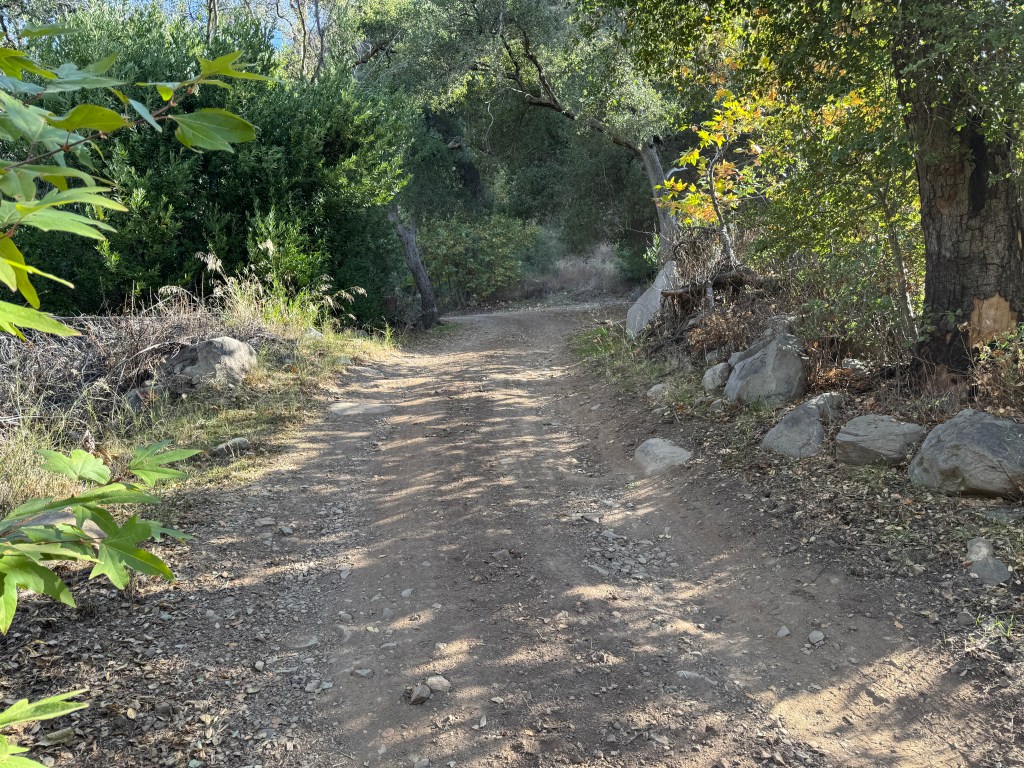
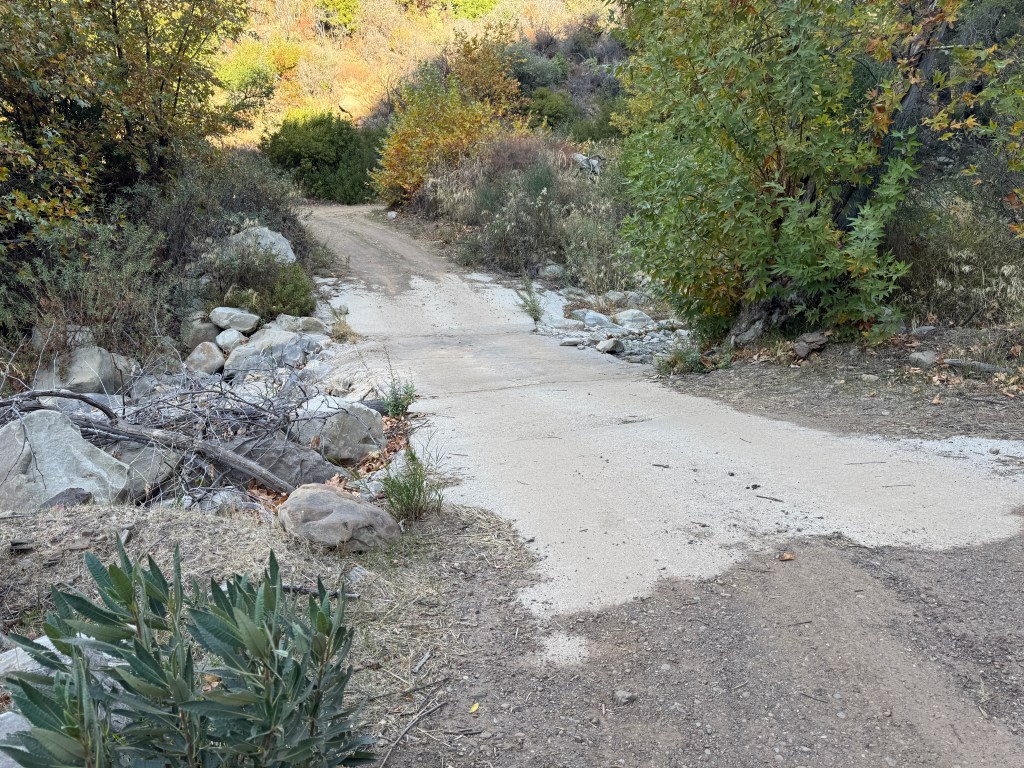
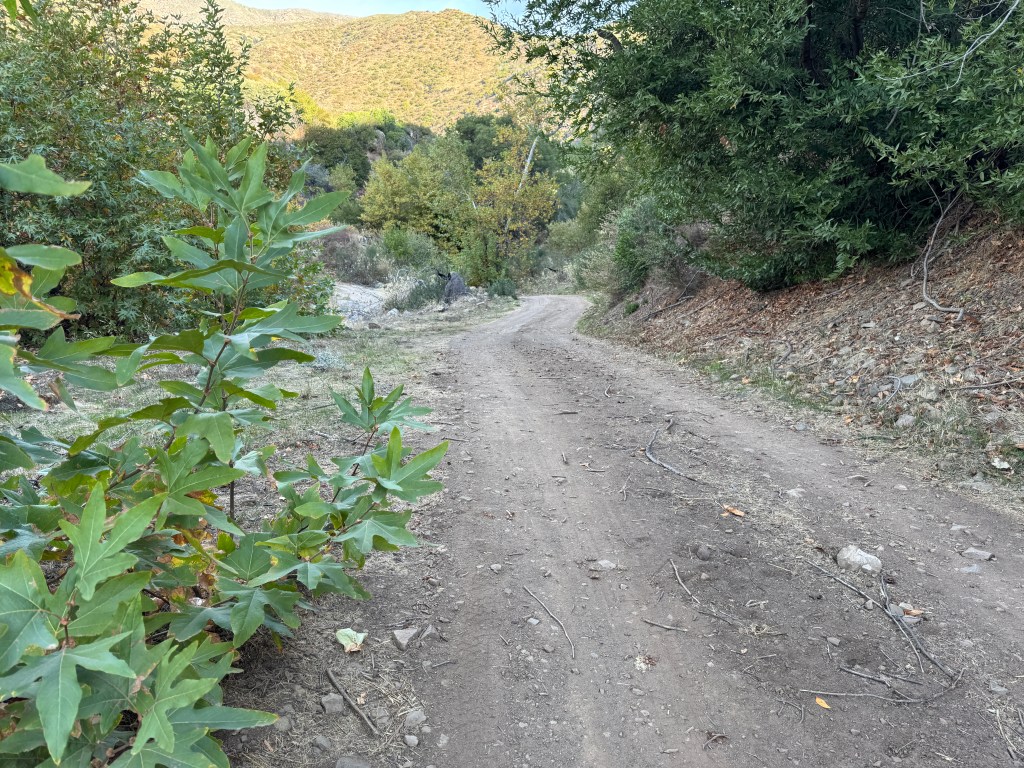
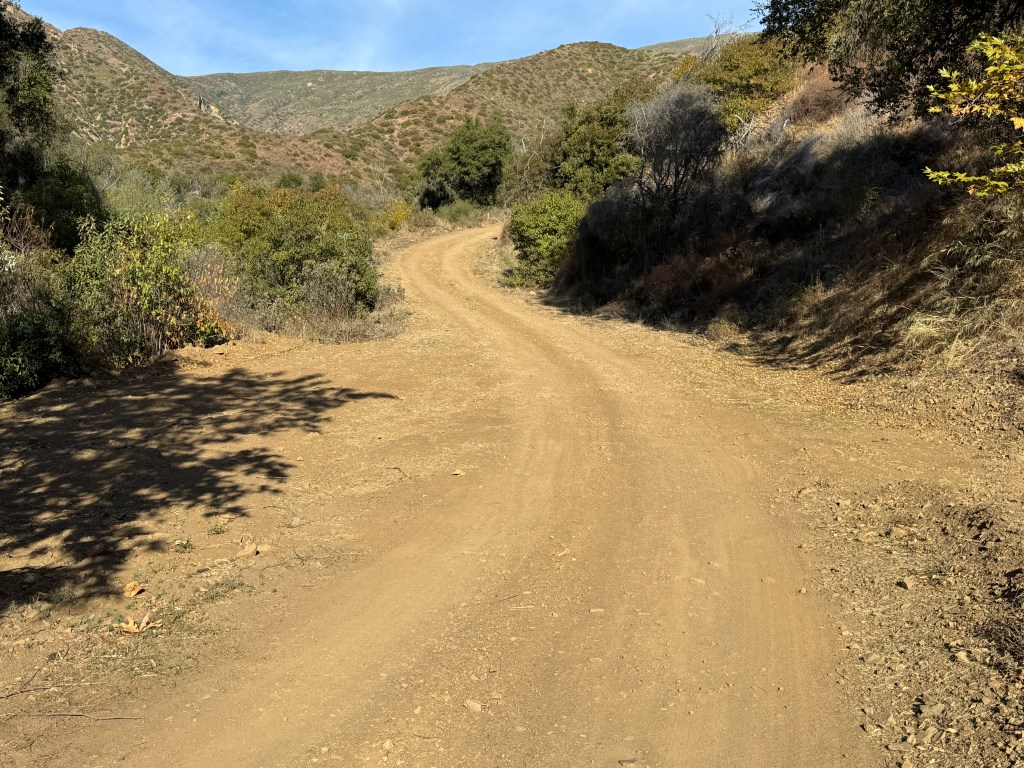
Senior Canyon’s access roads to the canyon sustained significant damage during the storms. Erosion and movement of the streambeds washed away portions of the roads and landslides pushed rocks and debris onto other portions. The FEMA repair plan breaks the project into four individual road repair projects: the Main Access Road, the West Fork Access Road, the North Fork Access Road and the Tunnel Access Road. FEMA is providing a total of $428,320 for roadway repairs and improvements.
Main Access Road
Surface water flooding damaged a stretch of road about one mile long and 15 feet wide. The water washed out and/or caused rutting between six inches and three feet deep. To repair the road, Senior Canyon plans to use native soil and gravel to fill the ruts and rebuild the washed out portions of the road. In addition, the company intends to install an Arizona Crossing to help prevent future wash outs.


West Fork Access Road
The West Access Road branches off the Senior Canyon main access road to provide access to the West Fork diversion dam. The storms eroded the access road and changed the streambed, which caused channeling in the road above the low water crossing. Flooding also covered other parts of the road in boulders and debris. Senior Canyon, working under authorization of the Army Core of Engineers, moved the stream back into its normal channel and regraded the road, but permanent repairs to the road surface are still required.


North Fork Access Road
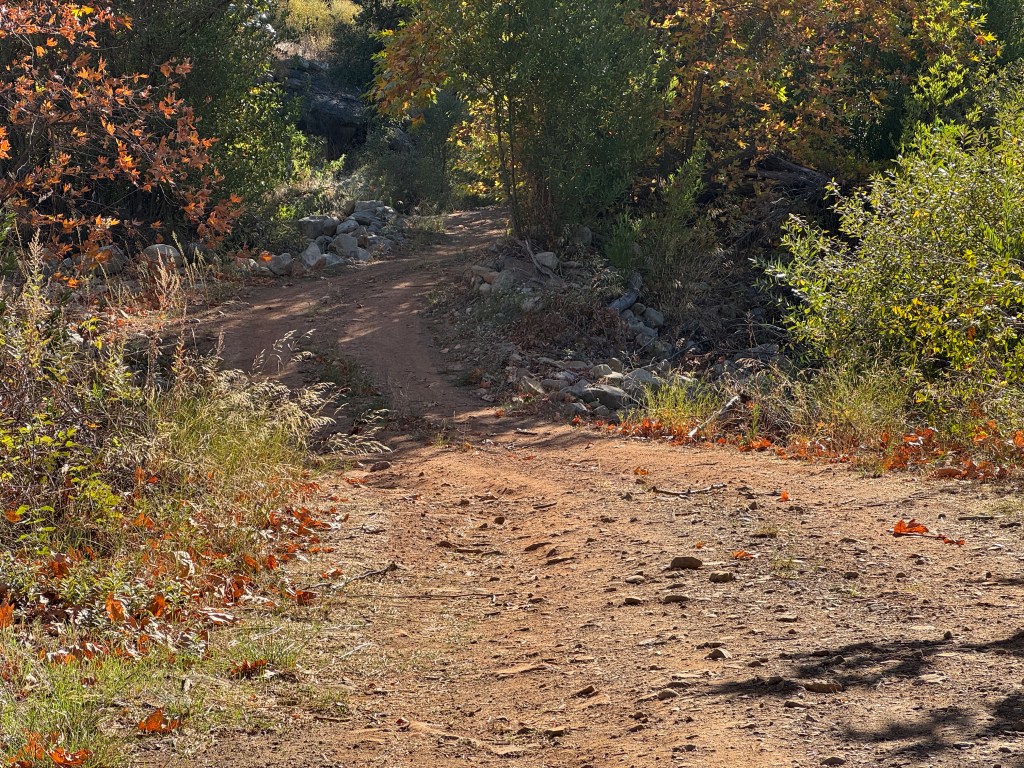
The North Fork access road provides access off the main road to the North Fork Diversion Dam. Major storms washed out and/or rutted the road, and dug out portions of the land area surrounding the road when the stream changed course. Additionally, the storm left boulders and debris in other parts of the road. Senior Canyon, working under authorization of the Army Corp of Engineers, moved the stream back into its normal channel and regraded the road In other stretches of the road, Senior Canyon will regrade the road to create better drainage to minimize damage from future floodwaters.


Senior Canyon Tunnel Road
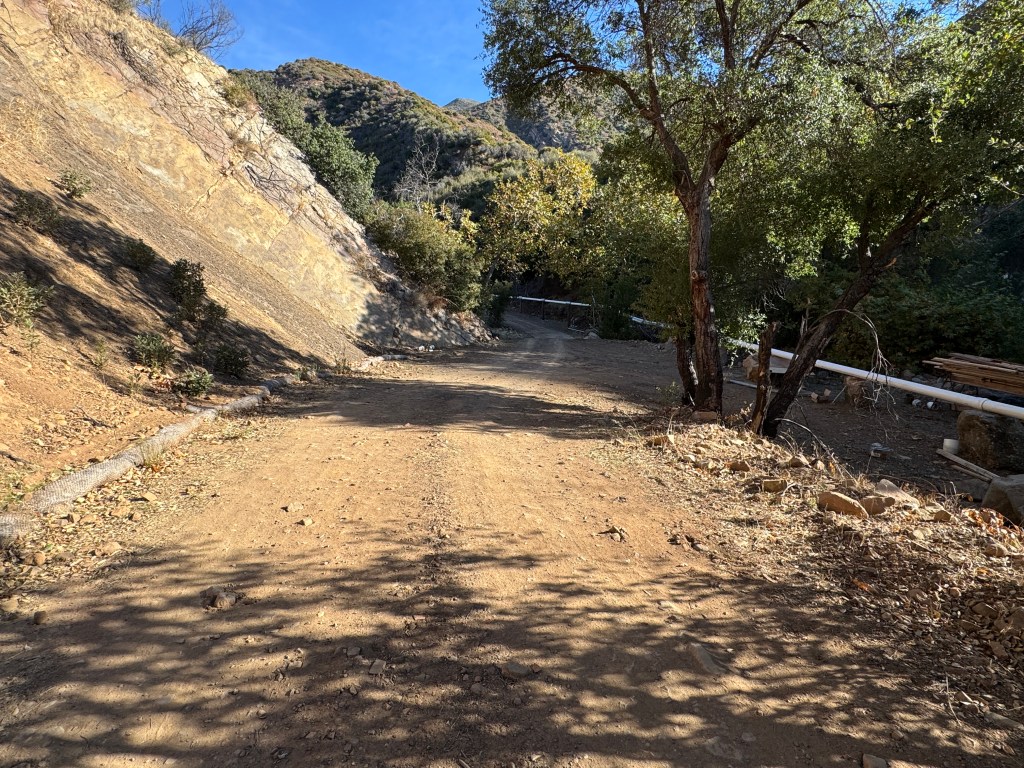
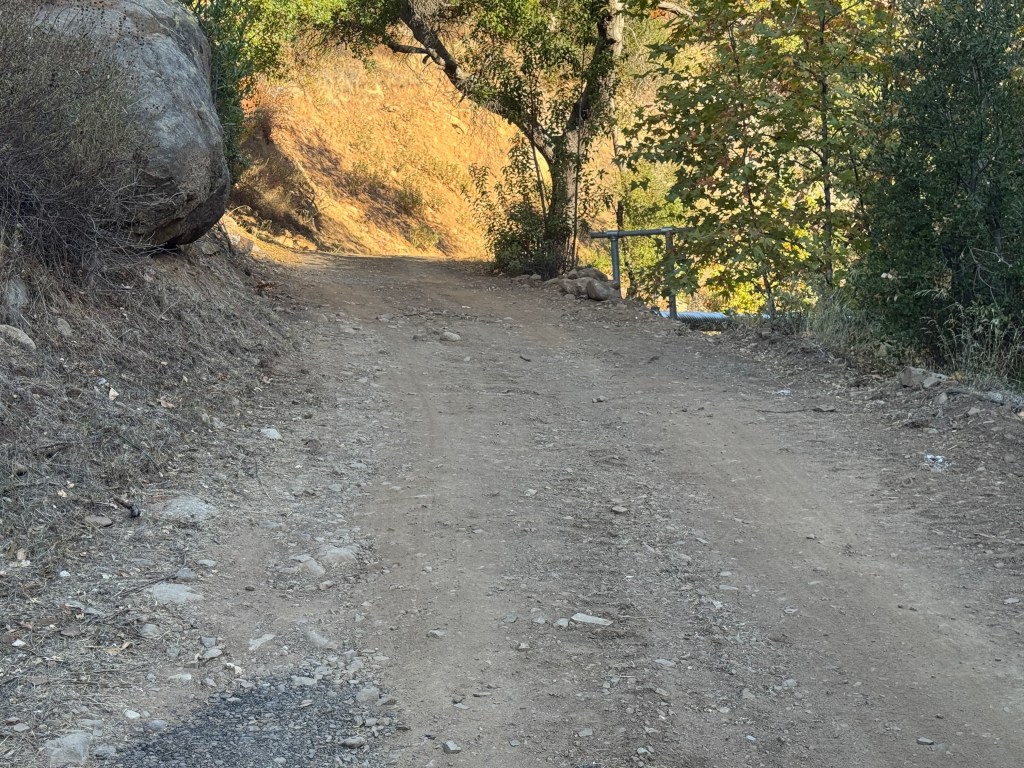
The Senior Tunnel access road not only provides access to the tunnel, it provides access to a portion of the company’s water system piping. Major storms rutted and washed out the road in several areas, and heavy stream flows washed out and damaged a culvert. As part of the FEMA repair work, Senior Canyon will regrade the road and replace a culvert with one of larger capacity to reduce future floodwater damage.


Diversion Dams
West Fork Diversion Dam
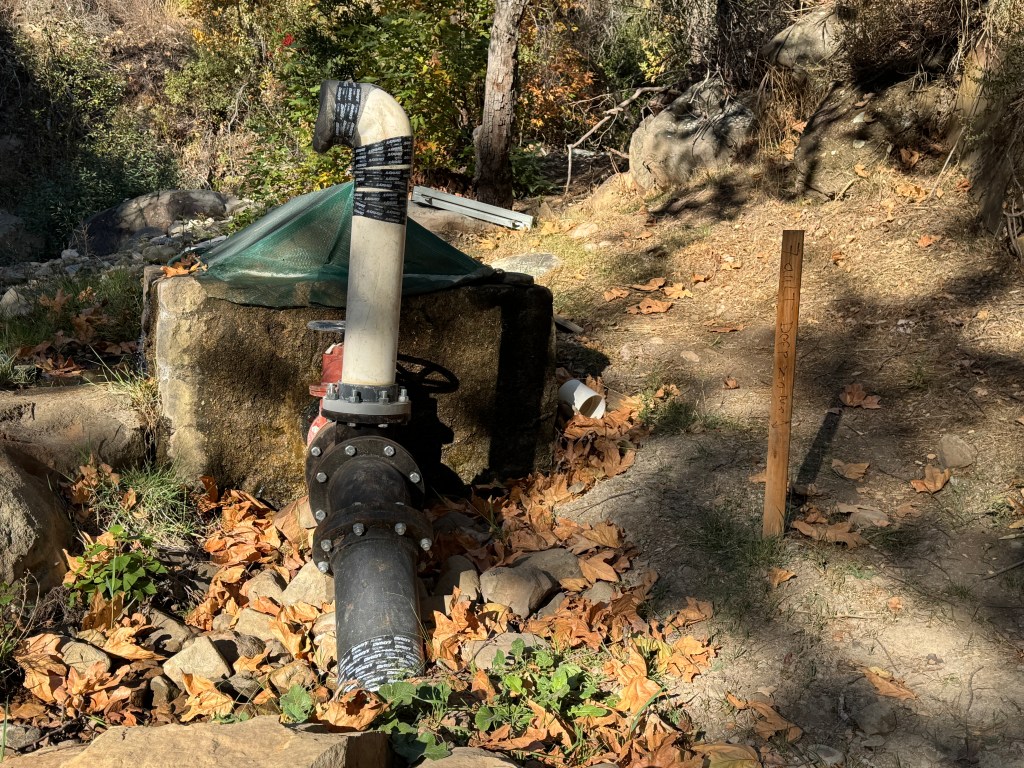
The West Fork Diversion Dam provides a water take off to supply water to the system. During the storm, major runoff and debris flow completely destroyed the West Fork Diversion Dam. After careful planning and engineering help from Kennedy Jenks, Senior Canyon replaced the diversion dam with a new, innovative design incorporating a removable center section that can be removed in high flow events to allow rocks and debris to pass through the dam and minimize the potential for future damage. . The construction work of the new dam was largely done in-house. In addition, Rei and Robert replaced the destroyed PVC piping that carries water from the dam to the water system, and replaced the destroyed gate valve. To further reduce the potential of future storm damage, Rei and Robert raised portions of the West Fork piping above the level of the stream.

North Fork Diversion Dam
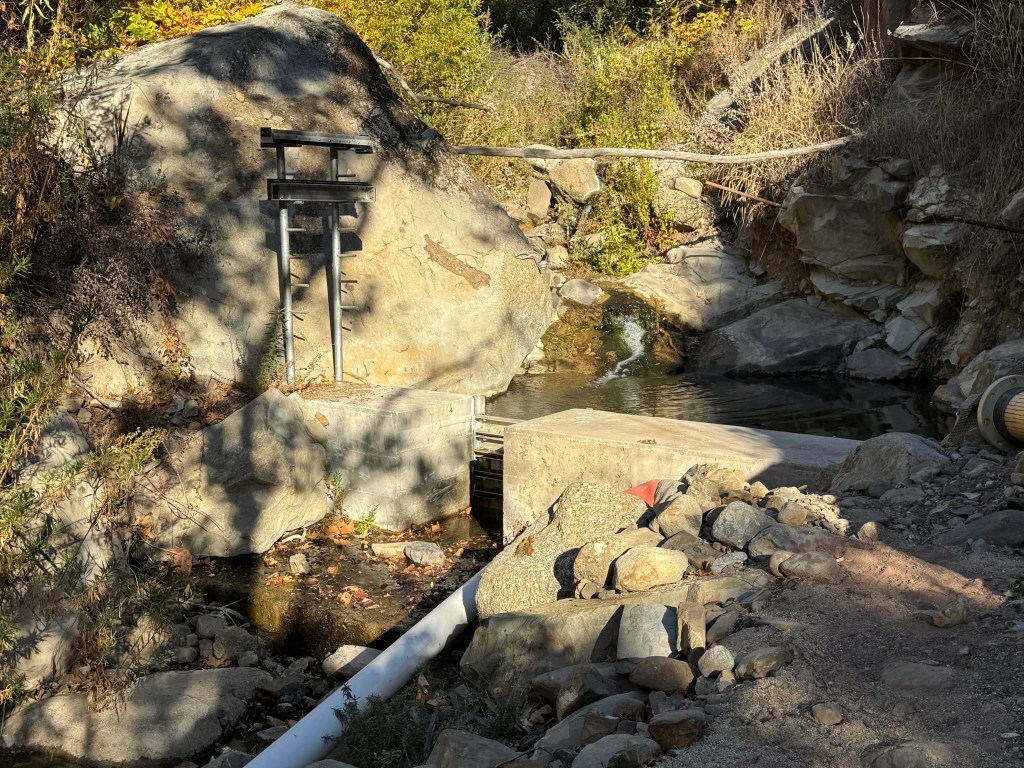
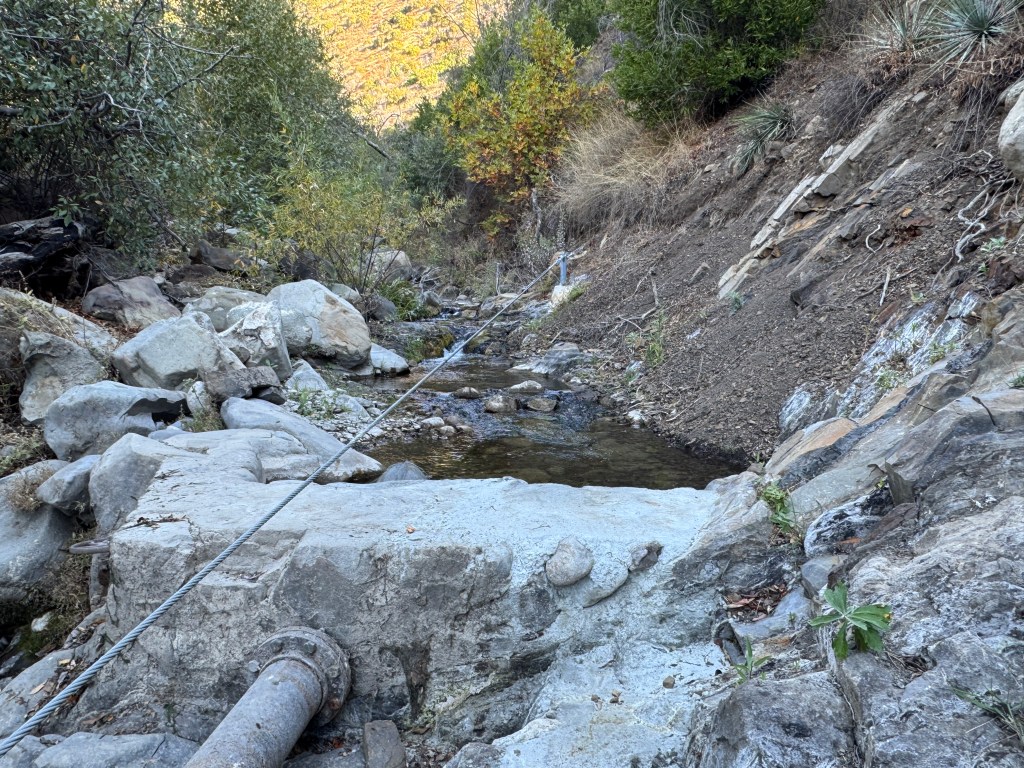
The North Fork Dam also sustained damage during the storms. High flows washed-out a section of the top of the dam. The flows also washed-out the piping and valves supplying water to the collection box structure. To repair the damage, work crews repaired the dam, installed two gate valves, and replaced nearly 175 feet of 6 inch PVC piping. Utilizing a suspended cable support system, work crews and Rei and Robert raised portions of the piping above the level of the stream to minimize future damage and facilitate quick repairs of any future damage. FEMA has provided $344,190 for repair of the two diversion dams and connecting pipelines.





Canyon Chlorination Building
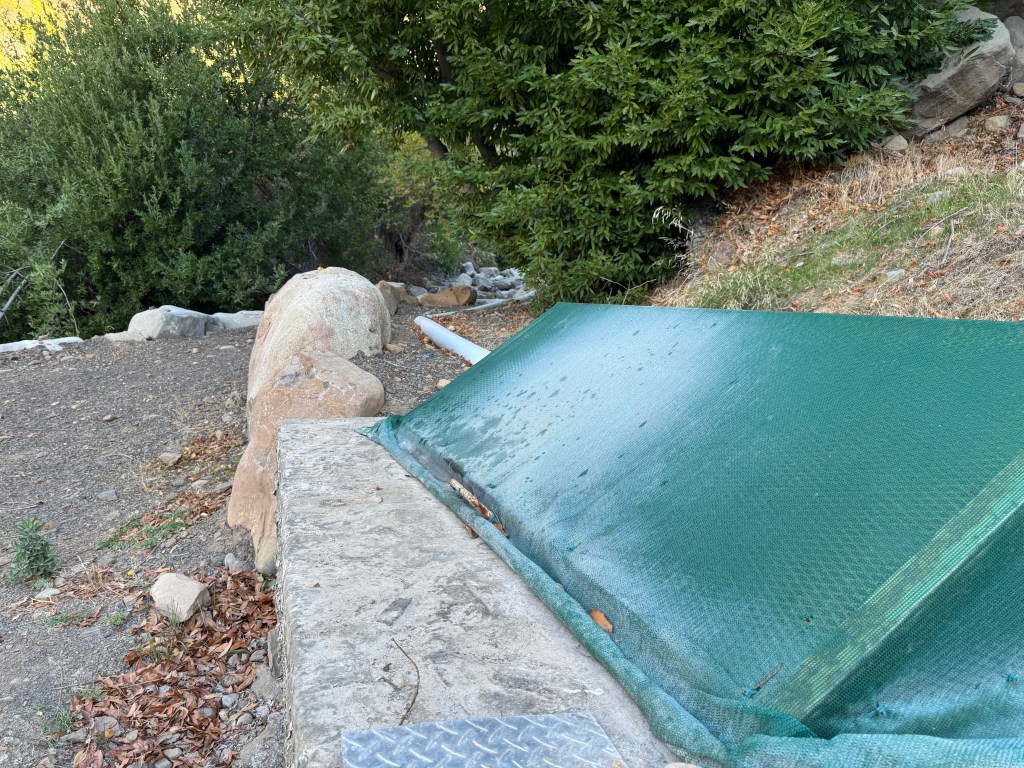
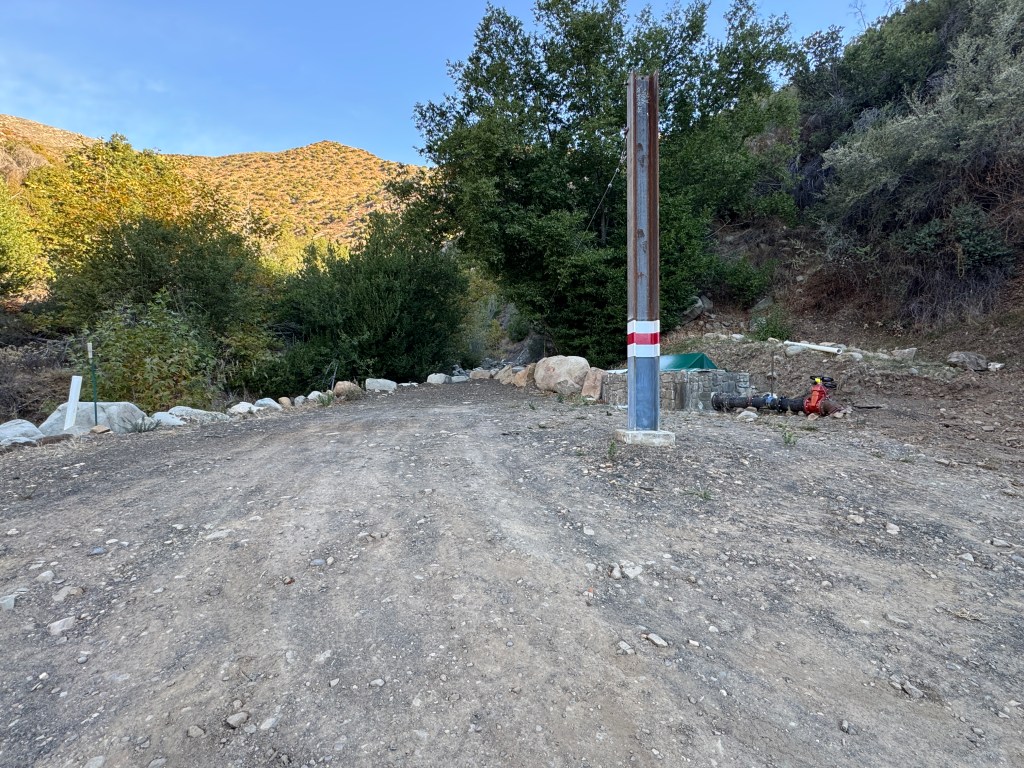
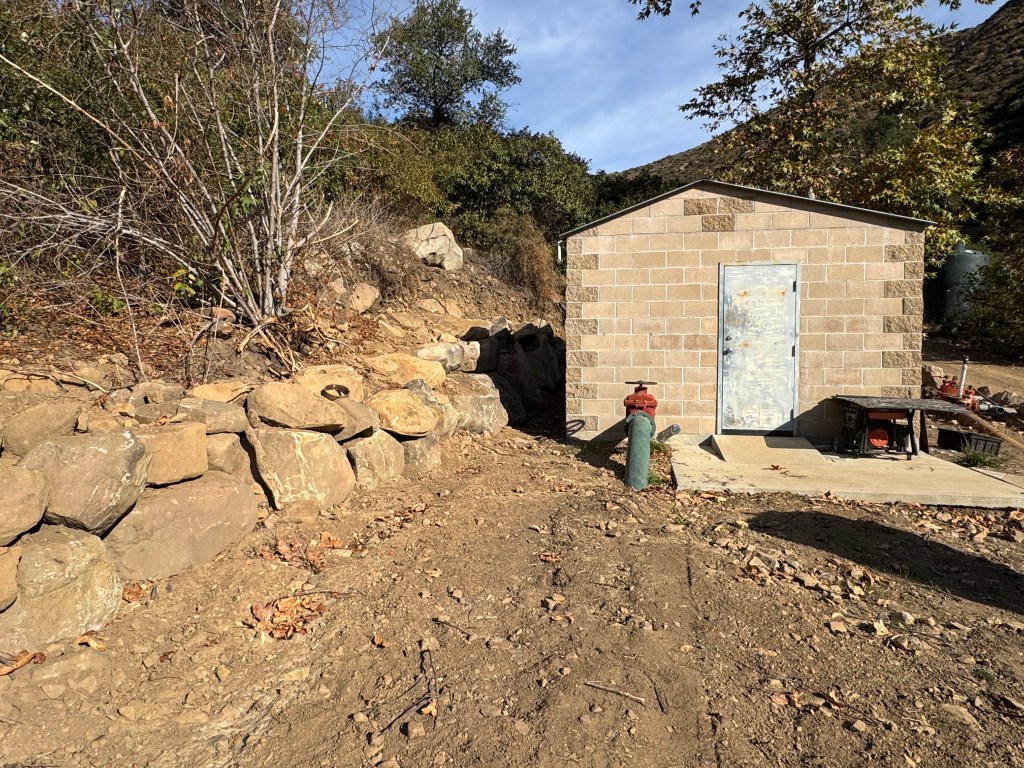
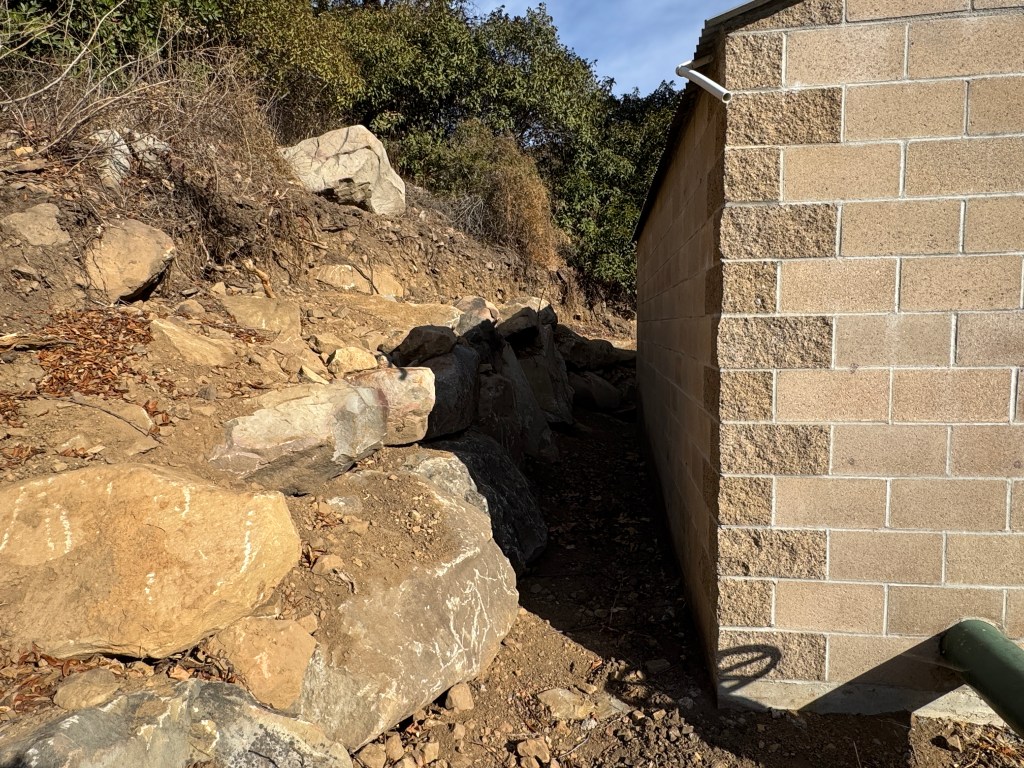
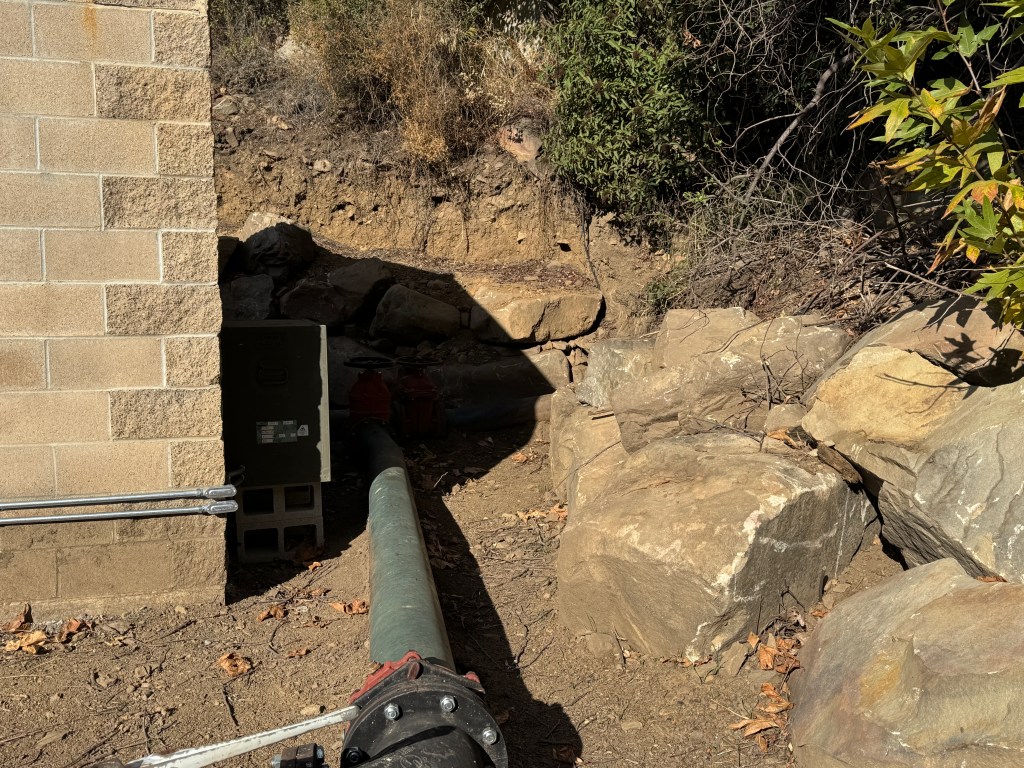
Senior Canyon’s Chlorination Building houses the equipment necessary to chlorinate Senior Canyon’s potable water supply. Heavy rains during the storm event saturated the ground soil around the building to settle, which in turn, caused some of the building’s concrete blocks to crack. To repair the facility, Senior Canyon removed and replaced the damaged concrete blocks. In addition, crews building a perimeter retaining wall to reduce the risk of future flood damage. FEMA has provided $30,780 for these repairs.



Water Treatment Equipment
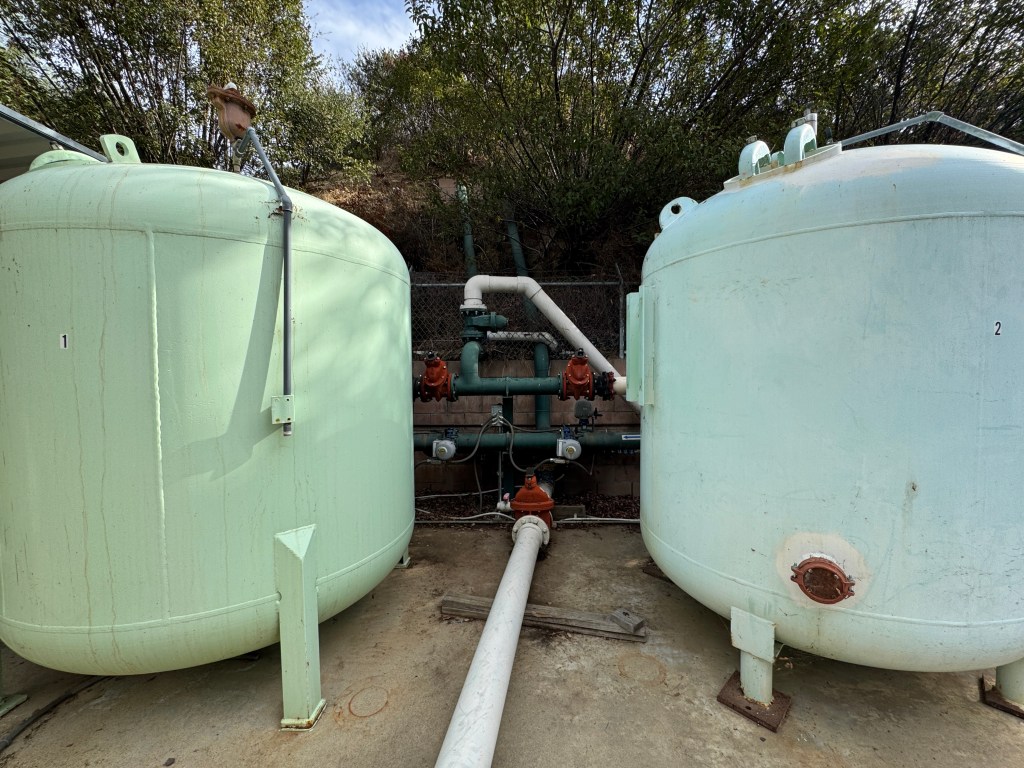
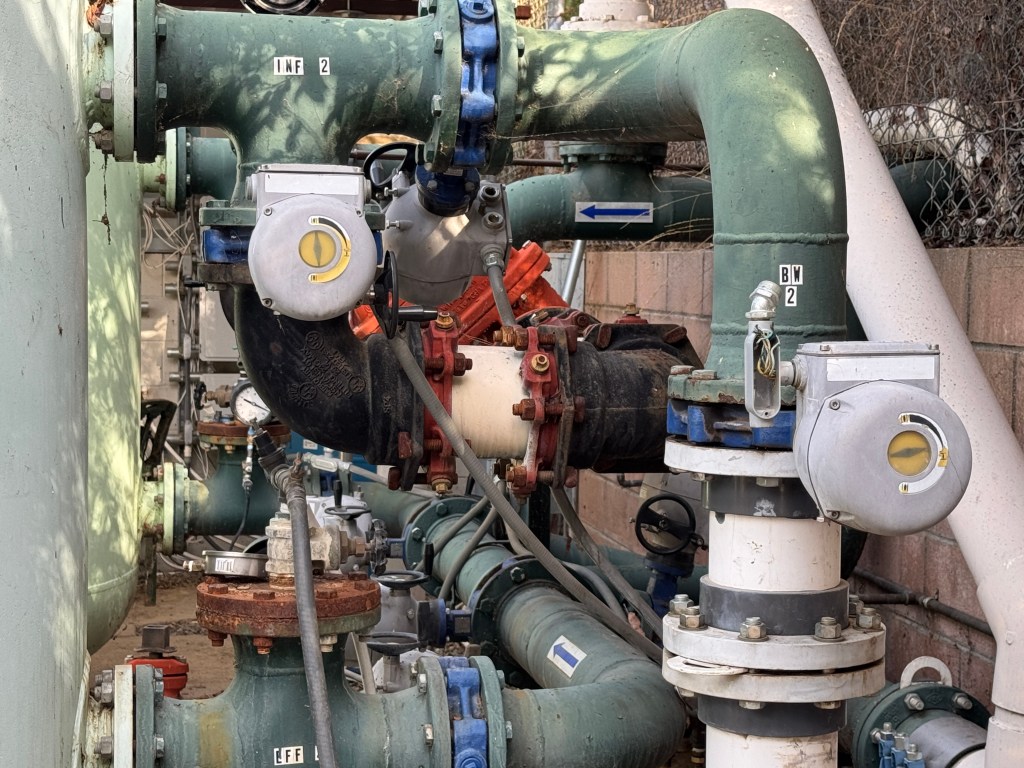
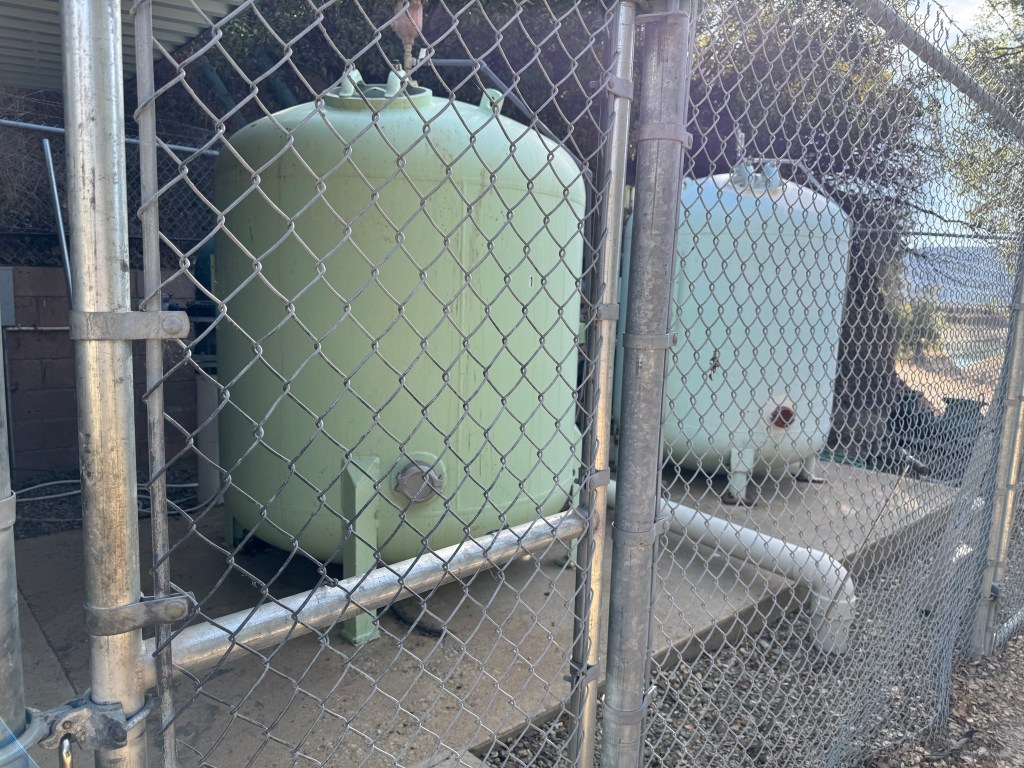
Senior Canyon’s Water Treatment equipment at the company’s reservoir facility suffered storm damage in January of 2023. As a direct result of this event, the upstream piping feeding the filter units broke, which allowed sediment and rocks to enter the filters, diffusers and manifolds. Repairing the damage required the removal and replacement of 24 six inch steel diameter type water filter diffusers as well as the removal and replacement of two eight inch diameter steel type inlet manifolds for water filtration. As a mitigation measure, FEMA funded the installation of a pre-filter screening catchment to the raw water inlet manifolds. This measure will reduce the risk of future damage by protecting the facility from having heavy sediment and debris in raw water enter and overpower the filter units, and damage and/or clog the distribution manifold and diffusers during potentially flooding or high water flow. FEMA has provided $43,600 for these repairs.

Canyon Pipeline
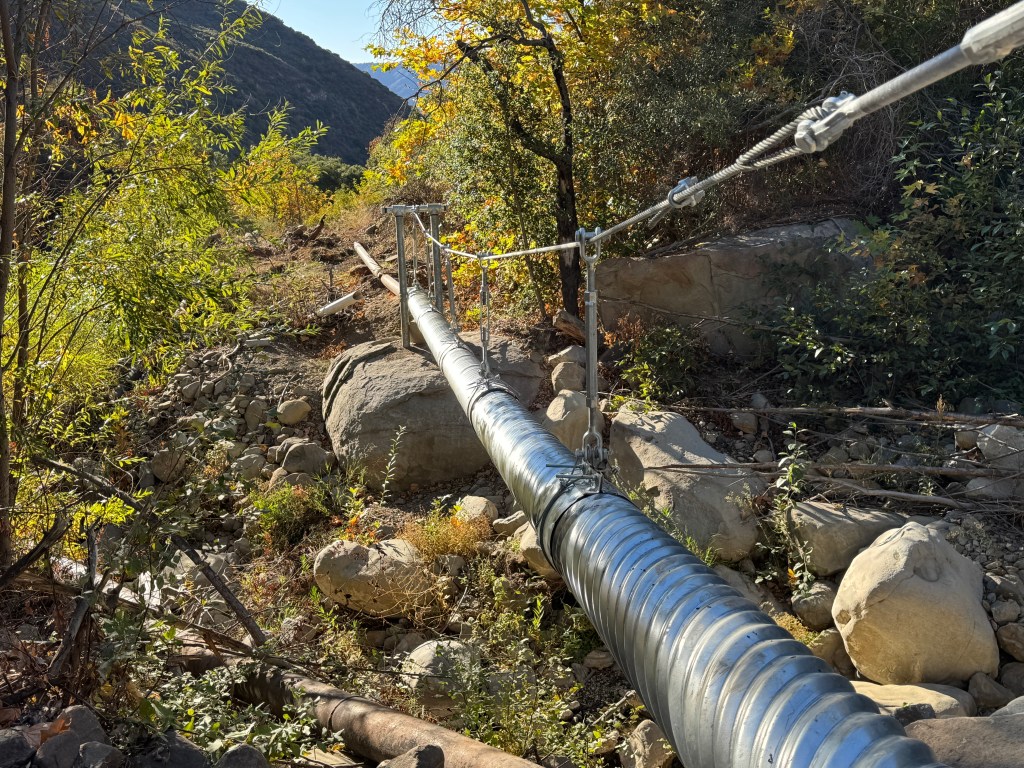
The company’s canyon pipeline delivers water into Senior Canyon’s water system. During the storm events, flooding caused high stream flows that carried rock and debris that broke, dented and warped the pipeline as it crossed the stream. The high flows also bent areas of the stream adjacent to the pipeline. To fix the pipeline, Senior Canyon not only replaced about 125 feet of damaged pipe, they raised and suspended the line across the creek, a fix supported by mitigation money from FEMA.FEMA has provided $197,760 for these repairs.


Service Area Pipeline
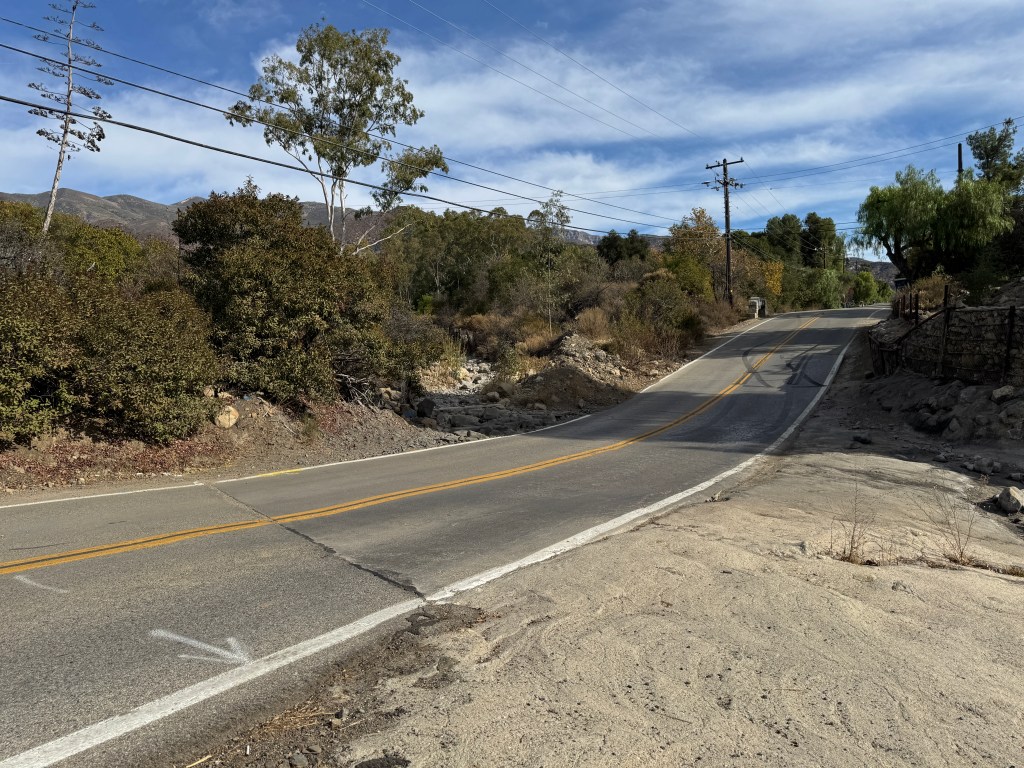
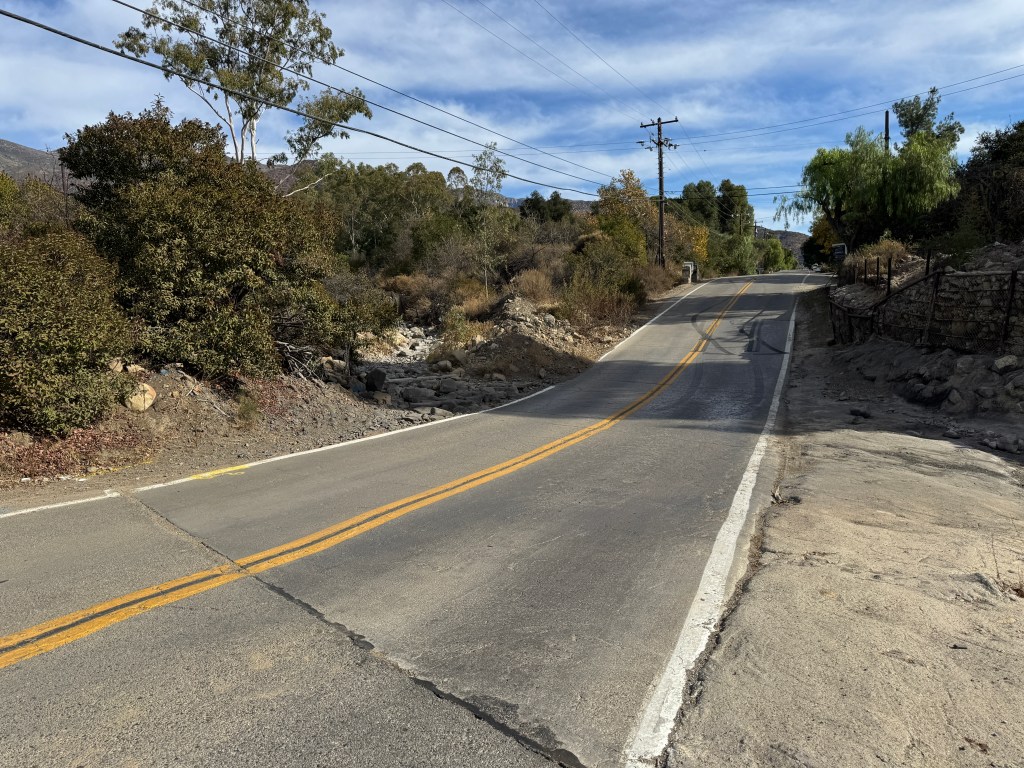
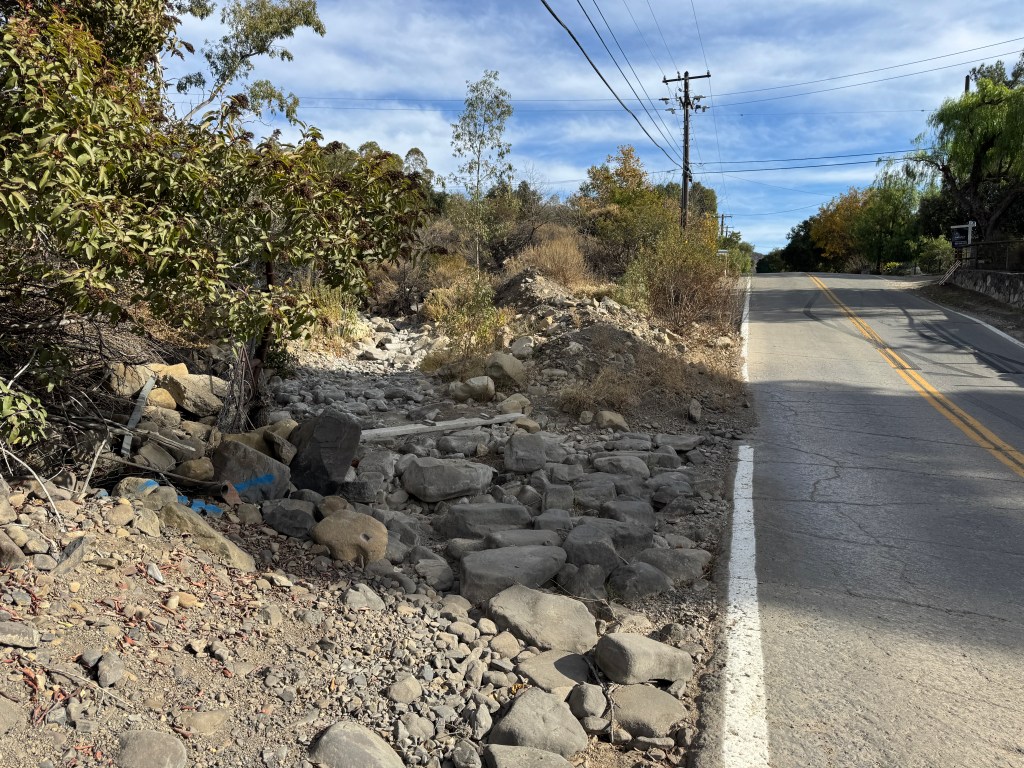
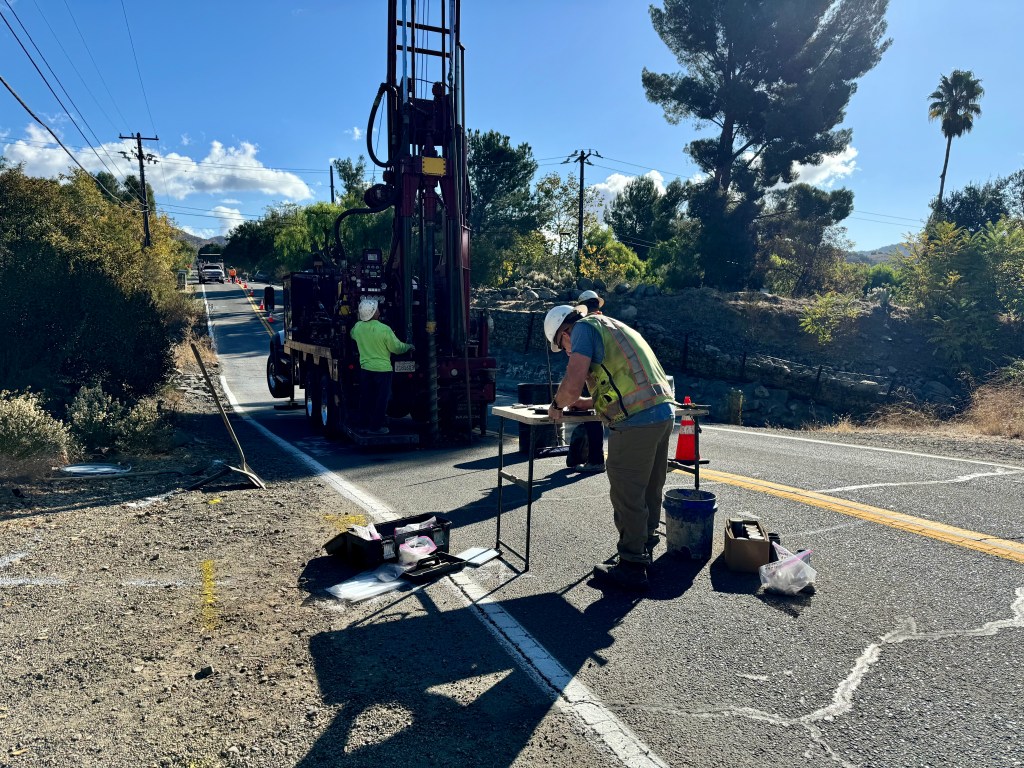
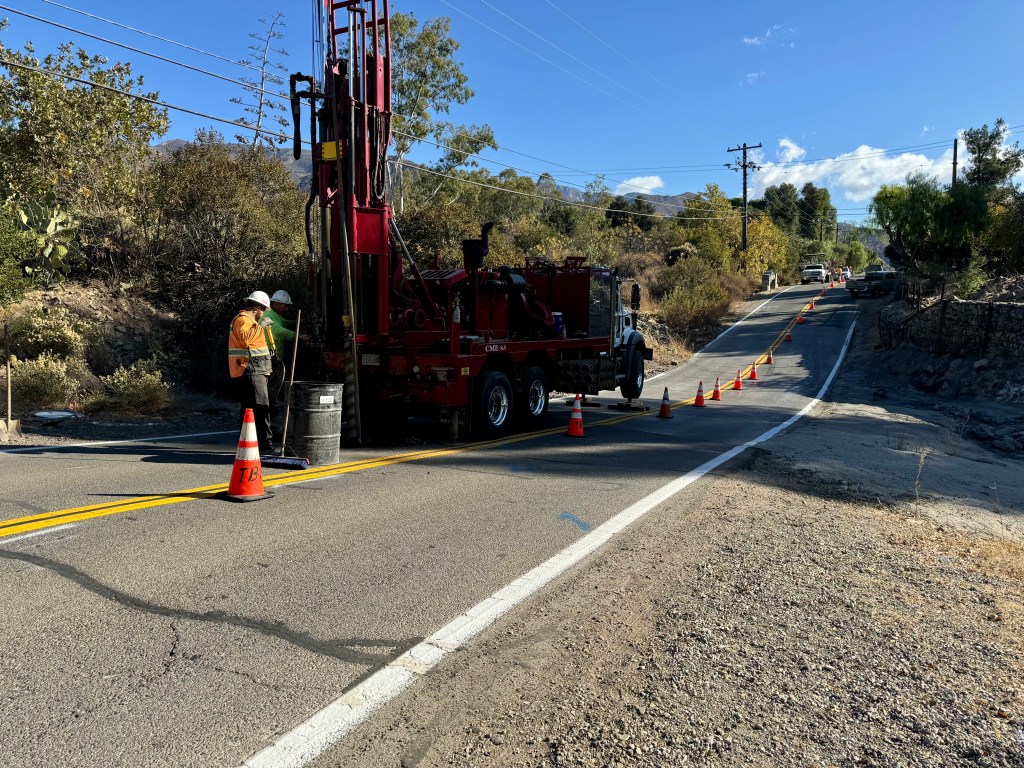
Senior Canyon’s service area pipelines cross streams in several areas, most notably the crossings of Thacher Creek. During the storms in January 2023, high stream flows carried rock and debris downstream, and the force of the water undermined and bent 65 feet of a six-inch pipeline crossing Thacher Creek just below the Grand Avenue dip east of McNell Road. Additionally, flooding damaged about 140 feet of pipeline crossing Thacher Creek upstream from the Grand Avenue dip near McAndrew Road. The repair plan for both of these crossings includes mitigation to re-route the piplines away from these stream crossing points to minimize the potential for damage from future flood flows. FEMA has provided $434,980 for these pipeline repairs, including a mitigation allowance for re-routing the pipelines.

Conclusion
Repairs to Senior Canyon’s system have been challenging to say the least, but due to the cooperation of FEMA, project oversight provided by Adam Kear, Senior Canyon’s General Counsel, and the truly heroic efforts of Rei and Robert, work on about one-half of the projects is complete, with work on the other projects awaiting funding or final approval. Thanks to this truly amazing teamwork, Senior Canyon will emerge from the storms of 2022/2023 with a more resilient and dependable water system.